
What If the Police Report Is Wrong After a Georgia Car Accident?
What You Should Know
After a car accident, many people assume the police report is the final and unquestionable
account of what happened. When that report contains an error, it can feel frustrating and
alarming, especially if the mistake appears to place blame unfairly.
In Georgia, a police report is an important piece of information, but it is not the final
word on fault or liability. Errors can occur, and they do not automatically determine the
outcome of an injury claim.
This article provides general information, not legal advice.
How Police Report Errors Happen
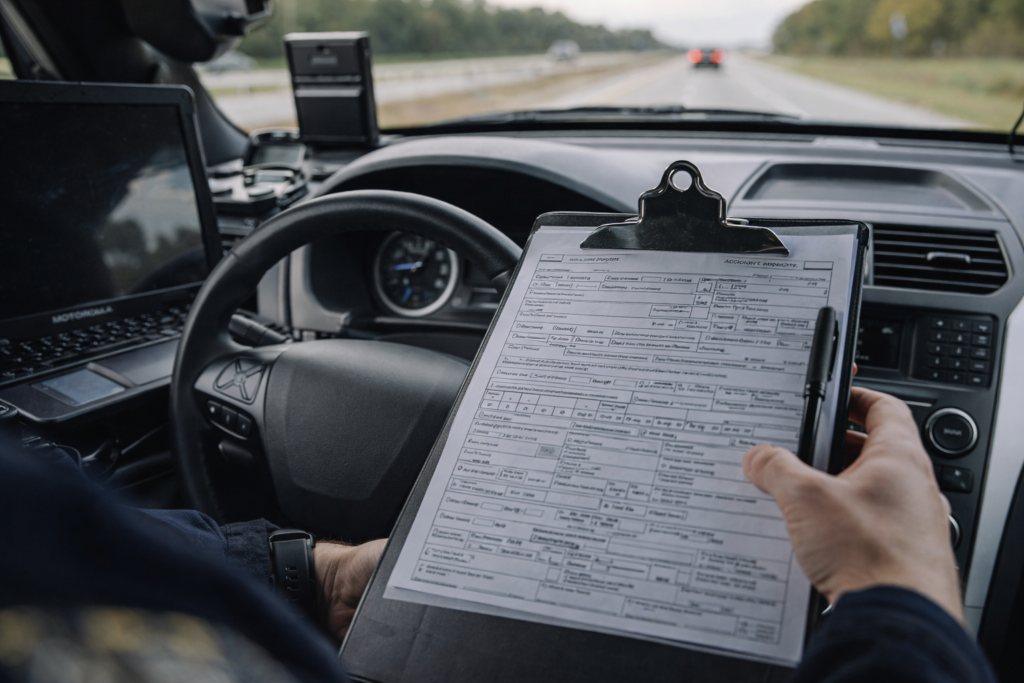
Police officers often arrive at accident scenes after the collision has already occurred.
They must gather information quickly, sometimes in chaotic or dangerous conditions.
- Statements from drivers or witnesses that are incomplete or inconsistent
- Misunderstandings due to stress, injuries, or language barriers
- Errors in diagrams, vehicle positions, or direction of travel
- Incorrect assumptions about speed, signals, or right of way
- Clerical or transcription mistakes
These issues do not necessarily reflect bias or misconduct, but they can still affect how
an insurance company views the claim.
Why an Incorrect Police Report Matters
Insurance companies frequently rely on police reports when evaluating claims. An inaccurate
report may:
- Influence early fault determinations
- Delay claim resolution
- Reduce settlement offers
- Increase disputes between insurers
While the report is not conclusive, it can shape the narrative unless additional evidence
provides a clearer picture.
Georgia Legal Framework
Georgia follows an at-fault system for motor vehicle accidents. This means that liability is
based on who caused the collision, not solely on what is written in a police report.
Georgia also applies a modified comparative negligence rule. An injured person may recover
damages if they are less than 50% responsible for the accident, with any recovery reduced by
their percentage of fault.
A police report is considered evidence, but it is not binding. Courts and insurers may weigh
other evidence more heavily when determining fault.
Common Questions or Scenarios
People dealing with report inaccuracies often ask:
- Can a police report be changed after it is filed?
- What if the officer listed the wrong cause of the accident?
- What if witnesses were not included?
- Does the insurance company have to follow the report?
- What if I was cited but believe it was incorrect?
The answers depend on the nature of the error and the evidence available to clarify what
actually occurred.
Evidence or Factors That Matter
When a police report is disputed, other forms of evidence often become critical.
| Evidence | Why It Matters |
|---|---|
| Photographs or videos | Show vehicle damage, road conditions, and traffic controls |
| Witness statements | Provide independent accounts of the collision |
| Vehicle damage analysis | Helps reconstruct how the crash occurred |
| Medical records | Establish timing and severity of injuries |
| 911 recordings or body camera footage | May capture real-time statements or observations |
What to Do Next
If you believe a police report is inaccurate, general steps may include:
- Requesting a copy of the report and reviewing it carefully
- Documenting any inaccuracies with supporting evidence
- Preserving photos, videos, and witness information
- Being cautious when discussing fault with insurers
Addressing errors early can help prevent misunderstandings from shaping the outcome of a
claim.
How C Paul Law Firm P.C. Can Help
C Paul Law Firm P.C. represents individuals injured in Georgia car accidents, including
situations where police reports may be incomplete or incorrect. We focus on careful fact
development and clear communication to help clients understand their options.
Contact C Paul Law Firm P.C. to discuss your situation and understand your legal options.
This article provides general information, not legal advice.