


Slip and Fall Injuries at Phipps Plaza and Lenox Mall in Atlanta
What You Should Know
A trip to a shopping mall is usually routine. When a slip or fall happens instead, it can
leave people injured, embarrassed, and unsure of what to do next. Large malls such as
Phipps Plaza and Lenox Mall see heavy foot traffic every day, which increases the risk of
hazardous conditions developing.
Georgia law does not assume a property owner is automatically responsible for every fall.
However, mall owners and operators do have duties to keep their premises reasonably safe
for shoppers, visitors, and guests.
This article provides general information, not legal advice.
How Slip and Fall Accidents Happen in Shopping Malls
Slip and fall incidents in large malls often involve conditions that are temporary but
dangerous if not addressed promptly.
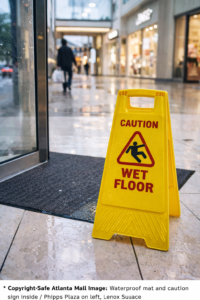
- Wet or slippery floors near entrances during rain
- Spilled food or drinks in common areas
- Uneven flooring, loose tiles, or damaged carpeting
- Poor lighting in parking decks or walkways
- Obstructions left in aisles or corridors
Because malls are complex properties with multiple tenants, determining who is responsible
for maintenance can be more complicated than it appears.
Injuries Commonly Seen After a Fall
Falls can result in a wide range of injuries, some of which may not be immediately
noticeable.
- Fractures to the wrist, arm, ankle, or hip
- Head injuries or concussions
- Back and spinal injuries
- Soft tissue injuries to the knees or shoulders
Seeking medical care can be important both for health reasons and for documenting what
occurred.
Georgia Legal Framework
Slip and fall cases in Georgia are governed by premises liability law. Property owners and
occupiers generally have a duty to exercise ordinary care to keep their premises safe for
invitees, such as mall patrons.
Georgia also follows a modified comparative negligence rule. If an injured person is found
to be less than 50% responsible for their own fall, they may still recover damages, though
any recovery can be reduced by their percentage of fault.
Whether a mall owner or tenant is responsible often depends on notice, maintenance
practices, and the specific location of the hazard.
Common Questions or Scenarios
People injured in mall slip and fall accidents often ask:
- What if there was no warning sign?
- Does it matter how long the hazard was present?
- Who is responsible if the fall occurred outside a store?
- What if mall security completed an incident report?
- Can video footage be requested?
Each situation depends on the facts, including what the property owner knew or should have
known about the condition.
Evidence or Factors That Matter
Slip and fall claims often turn on documentation and timing.
| Factor | Why It Matters |
|---|---|
| Photos or videos of the hazard | Show the condition at the time of the fall |
| Incident reports | Document what was reported to mall staff |
| Surveillance footage | May show how long the hazard existed |
| Medical records | Connect injuries to the fall |
| Witness statements | Provide independent accounts of the incident |
What to Do Next
After a slip and fall at a shopping mall, general steps may include:
- Seeking medical attention promptly
- Reporting the incident to mall or store management
- Preserving photographs, clothing, and footwear
- Keeping copies of any reports or correspondence
Acting early can help preserve information that may be important later.
How C Paul Law Firm P.C. Can Help
C Paul Law Firm P.C. represents individuals injured in slip and fall accidents throughout
Atlanta, including incidents at large shopping malls. We focus on careful investigation
and clear guidance to help clients understand their legal options.
Contact C Paul Law Firm P.C. to discuss your situation and understand your legal options.
This article provides general information, not legal advice.