


Georgia Dog Bite Claims: What Must an Injured Person Prove?
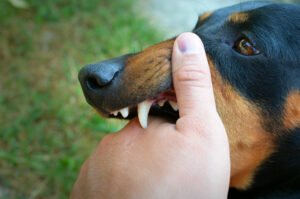
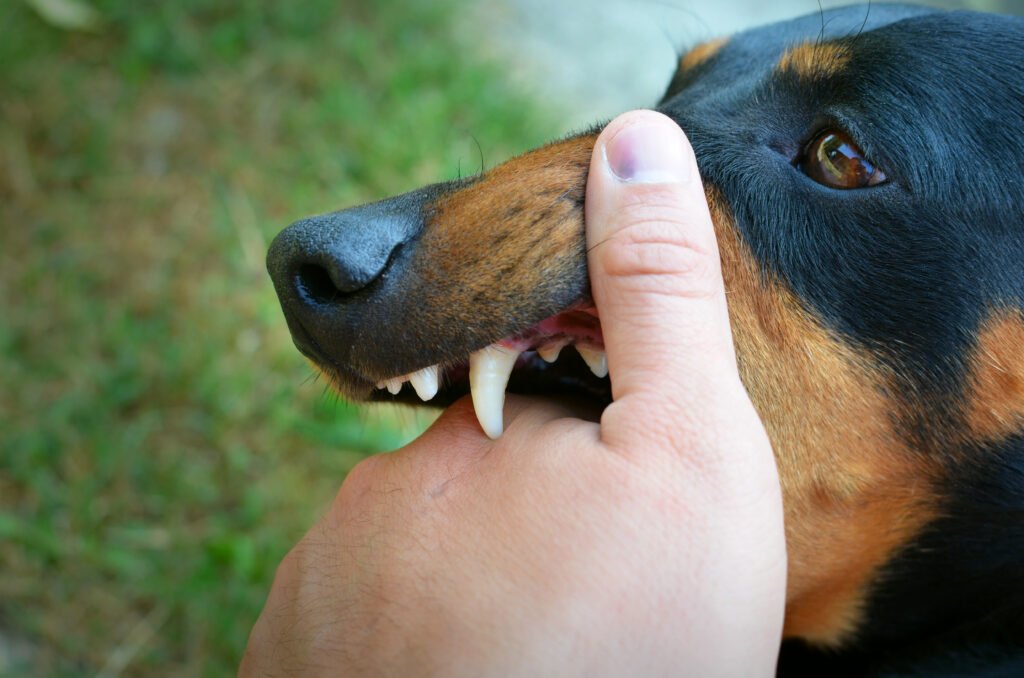
A dog bite can cause painful injuries, medical expenses, scarring, and emotional distress. Even an encounter that initially seems minor can lead to complications and unexpected costs.
If a dog bites you in Georgia, you may be able to pursue compensation from the responsible party. However, not every dog bite automatically makes the owner legally responsible. The circumstances of the incident, the dog’s behavior, and the owner’s knowledge of any dangerous tendencies can all matter.
Understanding how Georgia dog bite claims work can help you protect your health, preserve evidence, and evaluate your legal options.
Executive Summary
Georgia law may allow an injured person to seek compensation when a dog owner or keeper carelessly manages a dangerous animal or allows it to roam freely under circumstances covered by the law. Under O.C.G.A. § 51-2-7, important issues can include the dog’s dangerous propensity, the owner’s knowledge or conduct, whether a local leash ordinance was violated, and whether the injured person provoked the incident. The facts of each case matter.
Understanding Georgia’s Dog Bite Law
Georgia dog bite claims are often evaluated under O.C.G.A. § 51-2-7, which addresses injuries caused by vicious or dangerous animals.
Unlike laws in some states, Georgia generally does not impose automatic liability on a dog owner simply because the dog bites someone. The injured person may need to establish that the dog was dangerous in a legally relevant way and that the owner or keeper’s conduct contributed to the injury.
Evidence that the dog previously threatened, attacked, or bit someone may be relevant when determining whether the owner knew or should have known about the dog’s dangerous tendencies.
What Must an Injured Person Prove?
Several factors may be important when evaluating a dog bite claim in Georgia.
- A dangerous animal: Evidence may be needed to show the dog had a dangerous propensity relevant to the incident.
- Knowledge or legally relevant circumstances: Prior incidents, warnings, or other evidence may help establish what the owner knew. A qualifying local leash-law violation may also be significant under Georgia law.
- Careless management or allowing the dog to roam: The evidence must support the applicable legal basis for holding the owner or keeper responsible.
- Injury and causation: The dog must have caused the injury for which compensation is sought.
- No provocation that bars recovery: Whether the injured person provoked the incident may be relevant to the claim.
The precise requirements depend on the facts and applicable law. An attorney can review the circumstances to determine which legal theory may apply.
How a Leash Law Violation May Affect a Claim
Local animal-control rules can play an important role in a Georgia dog bite case. Under O.C.G.A. § 51-2-7, evidence that a local ordinance required a dog to be on a leash or at heel, and that the dog was not properly restrained at the time of the incident, may help establish the dog’s dangerous propensity.
However, a leash-law violation does not automatically guarantee compensation. Other legal requirements, including the owner’s relevant conduct and the connection between that conduct and the injury, may still need to be established.
Because local ordinances can differ, it is important to identify the rules that applied in the city or county where the attack occurred.
Who May Be Responsible for a Dog Bite?
The dog’s owner is often the first person considered in a dog bite claim. Depending on the circumstances, another person who kept or controlled the dog may also need to be evaluated.
| Person or Party | Why It May Matter |
|---|---|
| Dog owner | May be responsible depending on knowledge of the dog’s behavior and the circumstances of the incident. |
| Person keeping or controlling the dog | May be relevant if that person managed or restrained the animal. |
| Property owner or occupier | May require separate evaluation when an attack occurs on property they control. |
Responsibility is not automatic for every person connected to the property or animal. Ownership, control, knowledge, and the applicable legal duties must be examined.
What Evidence Can Help Support a Georgia Dog Bite Claim?
Evidence can help explain how the attack occurred, whether warning signs existed, and how the injury affected you.
- Photographs: Take pictures of your injuries, the location, and any visible hazards or damaged restraints.
- Medical records: Keep treatment records, medical bills, prescriptions, and follow-up instructions.
- Witness information: Gather names and contact information for people who saw the attack or know about previous incidents involving the dog.
- Animal-control records: Reports of earlier bites, complaints, or investigations may be relevant if available.
- Video footage: Surveillance or phone recordings may help establish what happened.
- Local ordinances: The applicable leash or restraint rules may be important to the legal analysis.
Preserve the evidence as soon as possible. Video footage can be overwritten, and witnesses may become harder to locate as time passes.
Common Challenges in Dog Bite Cases
Even when someone has suffered a serious injury, proving legal responsibility can be challenging.
- The owner disputes knowing about the dog’s dangerous behavior.
- There are no available records of prior attacks or complaints.
- The parties disagree about whether the dog was restrained.
- The applicable local leash ordinance is unclear.
- The circumstances of the encounter or alleged provocation are disputed.
- The extent of the injuries or resulting losses is contested.
These challenges make careful documentation and an assessment of the applicable Georgia law important.
What to Do After a Dog Bite in Georgia
- Seek medical attention. Prompt treatment can address the risk of infection and document your injuries.
- Report the incident. Contact the appropriate local animal-control agency or law-enforcement authority when appropriate.
- Document the scene. Photograph your injuries and the location if it is safe to do so.
- Identify witnesses. Record contact information for people who saw the incident.
- Preserve records. Keep medical bills, incident reports, communications, and other relevant documents.
- Seek legal guidance. A qualified attorney can assess the evidence, possible liability, damages, and applicable deadlines.
Speak With Cody Paul Law Firm
If you or a family member has been injured by a dog in Georgia, understanding your legal options may help you decide what to do next. The facts of the attack, the dog’s history, applicable local ordinances, and the extent of your injuries can all affect whether a claim may be available.
Cody Paul Law Firm can be contacted to discuss your concerns and determine whether further legal evaluation may be appropriate.
Visit Cody Paul Law Firm to learn more about the firm.
This article provides general information about Georgia law and is not legal advice. Dog bite claims depend on the specific facts and applicable state and local laws.